DIS · 19 octobre 2026
From design to installation: managing technical interfaces
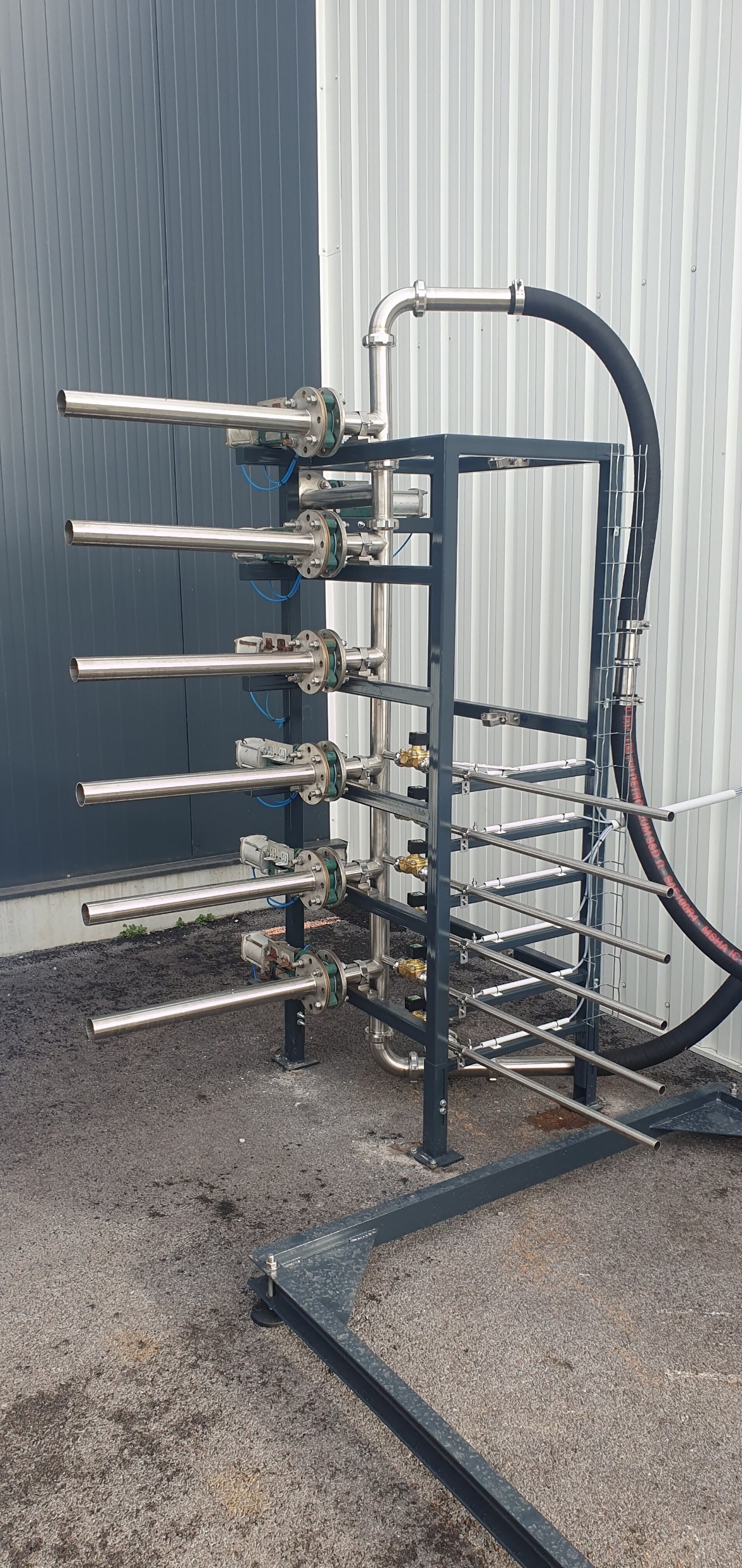
Make scope boundaries visible
A well-designed machine can still be difficult to connect if interfaces between packages are unclear. Use an interface register to identify required data, supply boundaries, owners and validation dates. Keep it understandable for both designers and installers.
Share controlled information
Dimensions, connection locations, supply characteristics and exchanged signals must reach the right people in time. Drawing references and revision numbers help teams work from the same baseline. Changes affecting another trade should be communicated and acknowledged.
Review installation with the installers
Involve installation and operations teams in design reviews. How does the equipment enter the room? Are fixings accessible? What is the assembly sequence? These questions connect the model with the tools, space and people available on site.
Track deviations
Describe each site deviation, assign an owner and record the decision. Assess effects on other packages, cost, schedule and testing before changing the design. Annotated photographs can support discussion, but approved changes also need to reach the applicable drawings.
Prepare acceptance together
Define test conditions, participants and evidence before start-up. Cover interactions between equipment as well as individual functions. DIS focuses on continuity between designers, suppliers and installers so that design decisions remain understandable through handover.
Further reading: INRS recommends considering circulation, cleaning and maintenance access during workplace design. INRS — Les 10 points clés.
Illustrations: GZ1/GZ2/GZ3 documents provided by Sylvain Davrout. Method guidance is not a project conformity assessment.